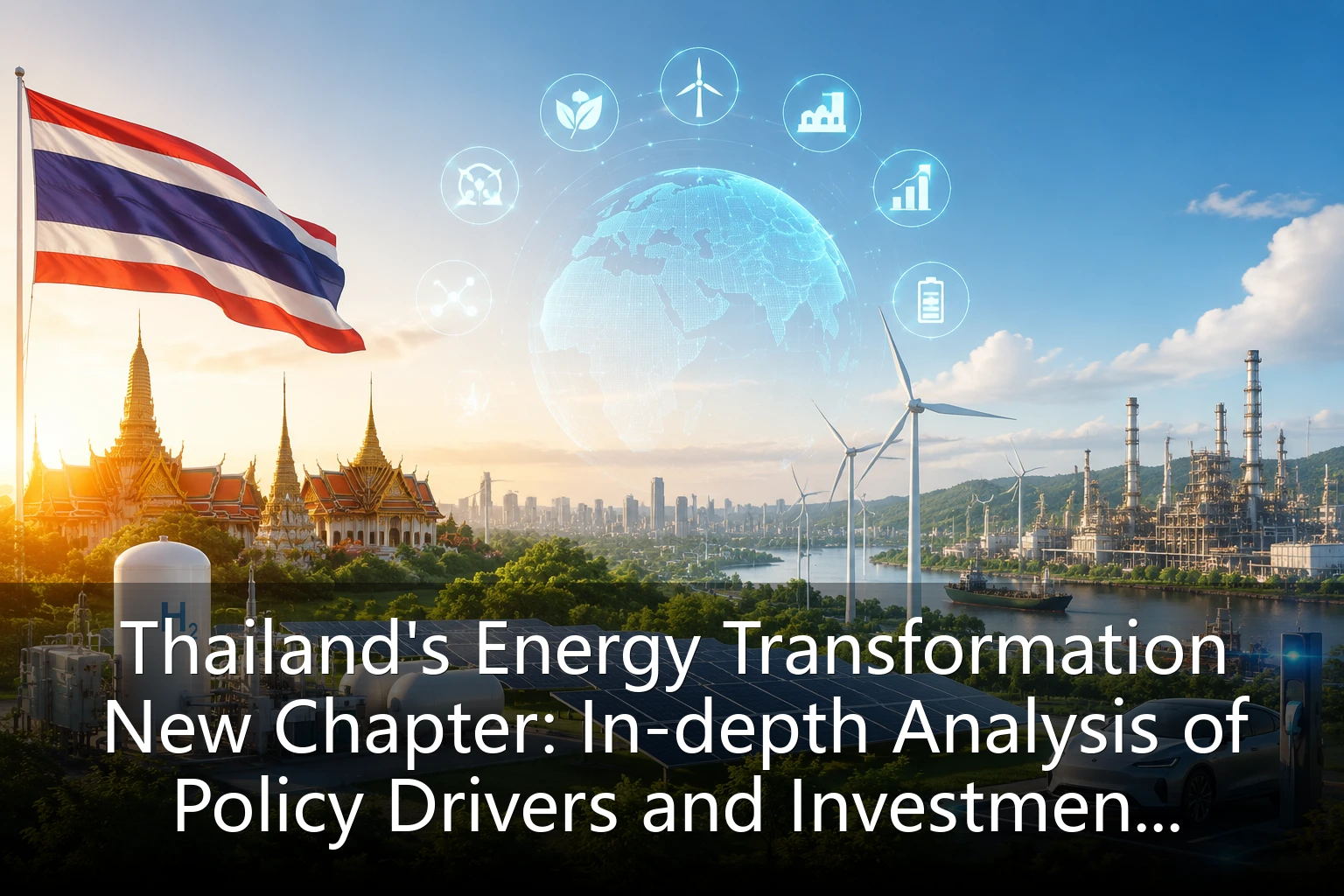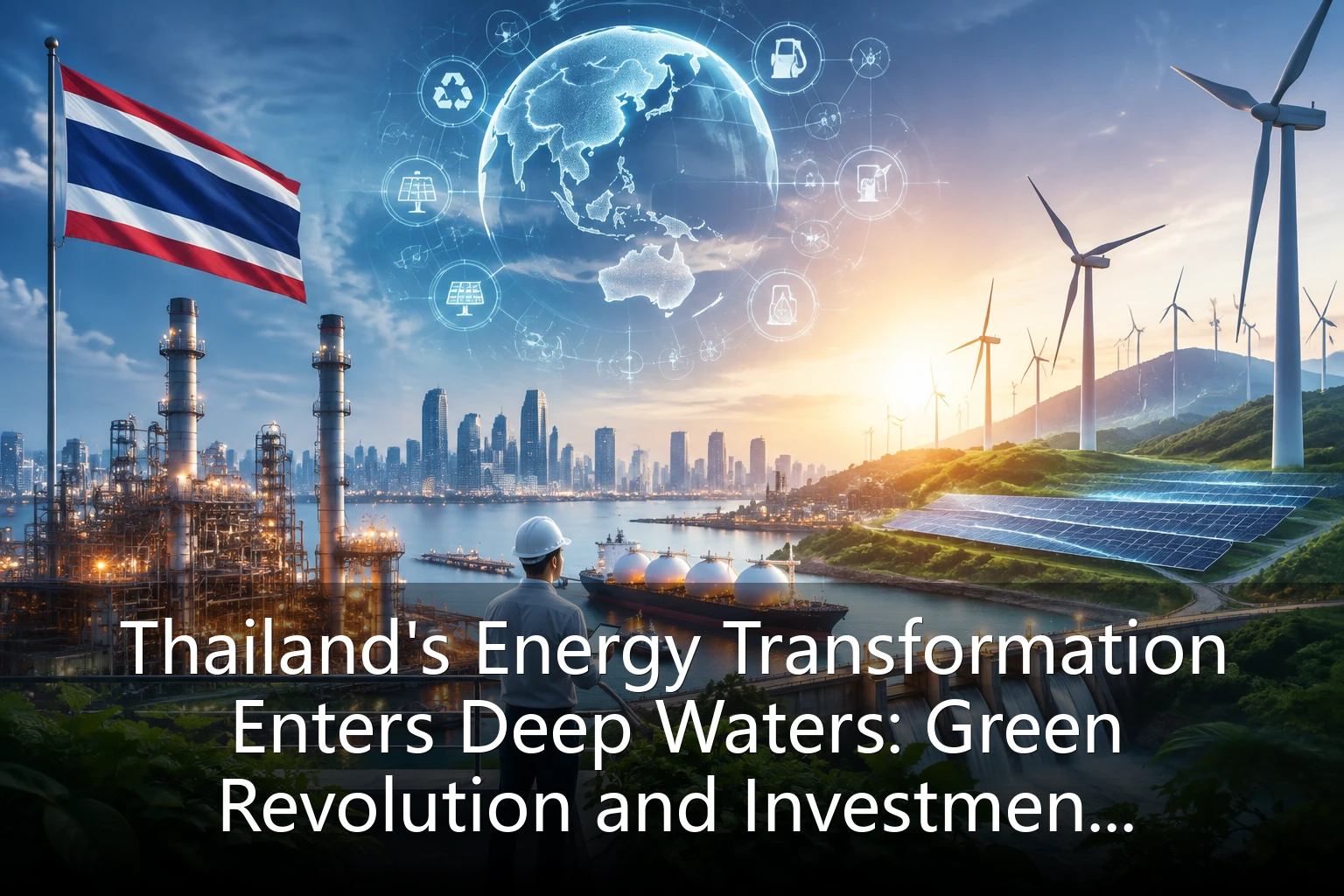
July 29, 2026, Bangkok — Thailand’s Ministry of Energy today officially announced an investment of 50 billion baht in the Eastern Economic Corridor (EEC) to build the country’s first large-scale hydrogen demonstration park. Expected to commence production in 2028, the park will initially produce 20,000 tons of green hydrogen annually and be equipped with five hydrogen refueling stations, aiming to provide zero-carbon fuel for industry, heavy transport, and peak power regulation. Led by the state-owned PTT and integrating technologies from Germany’s Siemens Energy and Japan’s Kawasaki Heavy Industries, the project is seen as a key milestone toward Thailand’s 2050 carbon neutrality goal.
Hydrogen Blueprint: From Policy to Implementation
Thailand’s Energy Minister Anutin stated at the press conference: "Hydrogen is the 'last mile' of Thailand’s energy transition. We have abundant solar and biomass resources, enabling large-scale green hydrogen production, which can be blended into the existing natural gas pipeline network for transport. The demonstration park will validate the full-chain commercial feasibility—from electrolysis hydrogen production and liquefied storage to fuel cell applications." According to the plan, 80% of the park’s electricity will come from a 4 GW floating solar power plant under construction in the northeast, with the remainder supplemented by biomass, ensuring low-carbon hydrogen production throughout the process.
This move echoes Thailand’s "Hydrogen Roadmap" launched in 2022, which set a target for hydrogen to account for 5% of final energy consumption by 2030. Compared with neighboring Malaysia and Indonesia, Thailand started later in hydrogen policy, but the scale of this demonstration and the level of foreign cooperation demonstrate late-mover advantages. The Energy Ministry also announced that it will introduce the "Hydrogen Subsidy Regulation" in Q4 this year, providing a subsidy of 15 baht per kilogram for green hydrogen production for ten years, to reduce initial costs.
Investment Opportunities Emerge in the Supply Chain
Following the news, the SET Energy Index (ENERG) closed up 2.3% today, with PTT shares surging 3.1% to 45.5 baht, hitting a six-month high. Analysts believe that as the park’s lead developer, PTT not only holds hydrogen sales channels but also can gradually convert its nationwide gas station network into "oil-gas-hydrogen" composite stations, potentially enhancing long-term valuation. Additionally, Thailand’s B.Grimm Power, focused on industrial gas and infrastructure, and local startup Energy Absolute, which owns electrolyzer technology, are seen as beneficiaries.
A report from Morgan Stanley’s Thailand research team notes that the hydrogen supply chain can be divided into three segments: upstream hydrogen production, midstream storage and transport, and downstream applications. Upstream favors solar and wind operators with low-cost electrolysis capabilities; midstream requires attention to upgrades in liquefied hydrogen storage tanks and pipeline materials—equipment makers like Thai Nippon Steel (TNS) have already positioned themselves; downstream focuses on fuel cell manufacturing and hydrogen refueling station operations. Currently, Thailand has only a demonstration fleet of 20 hydrogen fuel cell buses, expected to expand to 5,000 over the next decade.
Challenges and Risks Coexist
Despite the optimistic outlook, hydrogen commercialization still faces three major bottlenecks: cost, technology, and market. Currently, Thailand’s green hydrogen production cost is about 120 baht per kilogram, three times that of gray hydrogen (produced from fossil fuels). Even with subsidies, costs must drop significantly to compete with diesel. Technologically, the evaporation loss rate for large-scale liquefied hydrogen storage and transport is still as high as 15%, and it remains to be seen whether Japanese cooperative technology can adapt to Thailand’s hot climate. On the market side, domestic hydrogen demand in Thailand has yet to form; most industrial users are still waiting and watching. In the early stage, the government may need to mandate a hydrogen blending ratio (e.g., 10% in natural gas power plants) to create demand.
Moreover, geopolitical risks cannot be ignored. Thailand’s hydrogen plan heavily relies on imported equipment from China, Japan, and Germany. Supply chain disruptions or rising trade frictions could impact project progress. The Energy Ministry stated that it has launched a "local procurement" initiative, requiring foreign partners to transfer some technology to Thailand, aiming for a 60% localization rate of equipment by 2030.
Investment Strategy Suggestions
In the short term, PTT and related supply chain stocks have already priced in the policy benefits, increasing the risk of chasing highs. It is recommended to wait for a pullback to the monthly moving average before positioning. In the medium to long term, focus on the timeline for the park’s groundbreaking and subsidy details, as well as subsequent bidding projects. Retail investors can diversify risk through SET hydrogen-themed ETFs (e.g., SCB Hydrogen Future ETF). For conservative investors, PTT’s cash dividend yield of around 4.5% still offers defensive value; growth investors may keep an eye on medium- and small-cap stocks like B.Grimm.
In summary, Thailand’s hydrogen strategy is not only a milestone in energy transition but will also reshape the structure of the SET energy sector. As the demonstration park moves from planning to reality, hydrogen is poised to become the next decade’s theme in Thailand’s capital market, following electric vehicles.